Swelling in both ankles often reflects fluid collecting in the tissues, known as oedema. It can follow a long day sitting or standing, but persistent, worsening or unexplained swelling deserves a GP assessment. The useful question is not simply how to reduce the puffiness. It is why it has appeared, whether there are other symptoms and what treatment is appropriate for the cause.
The Online GP can help arrange a non-urgent assessment and a clear next step. Some people need an in-person examination or further tests. Sudden swelling or swelling with breathing symptoms should use the urgent routes below rather than wait for a message reply.
Arrange a GP assessment for swelling in both ankles.
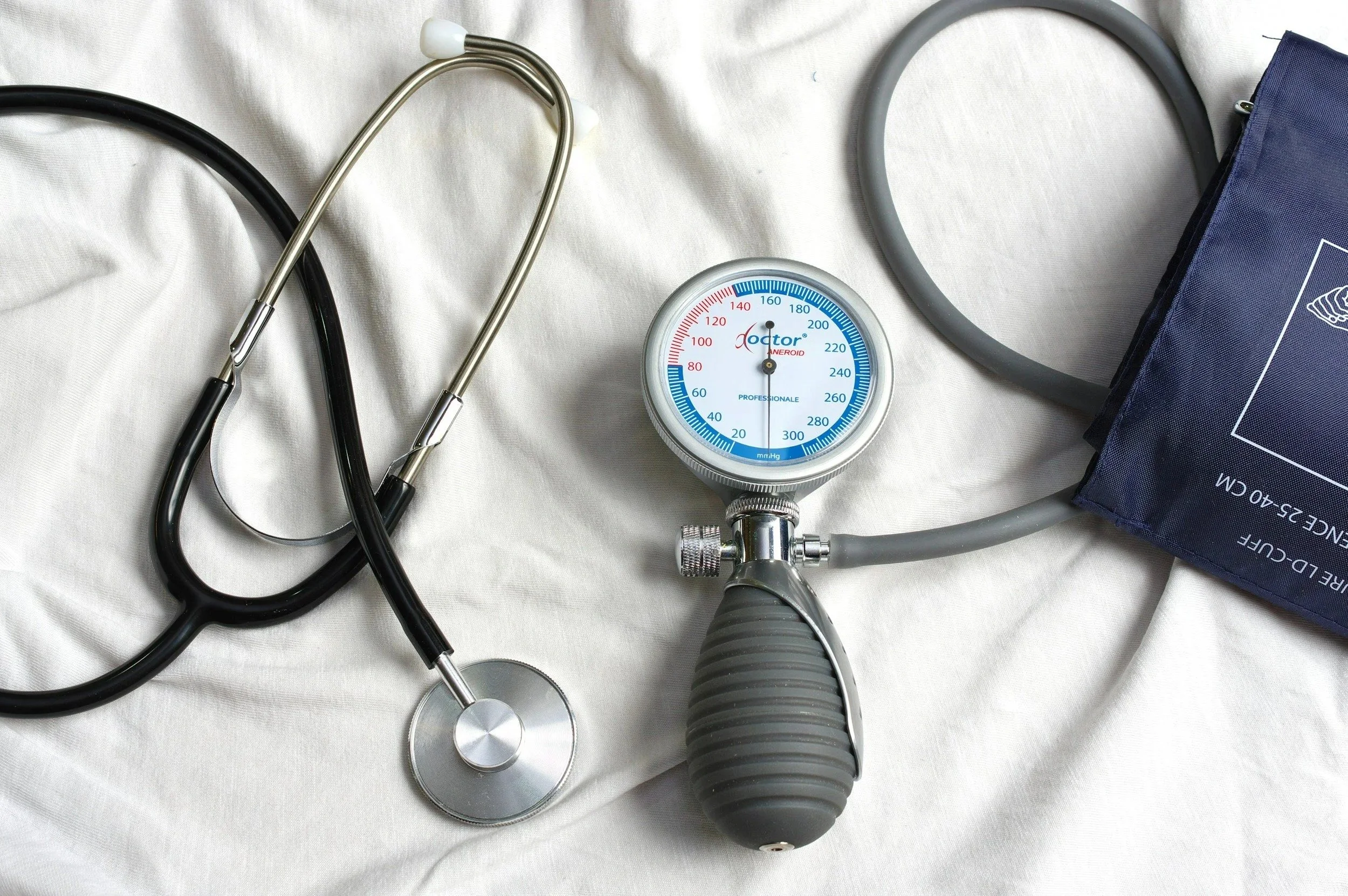
Illustrative photograph from the existing image library. Ankle swelling has several possible causes; assessment guides the next step.
Why both ankles can become swollen
Fluid can collect in the lower legs after prolonged sitting or standing. The NHS also lists varicose veins, some medicines, pregnancy, excess salt and thyroid problems among possible causes. Heart, kidney and liver conditions can contribute too. The pattern alone cannot tell you which explanation applies.
Swelling that is more noticeable in the evening and improves overnight is useful information, but it is not a diagnosis. Likewise, a dent left after pressing the skin is one feature of oedema, not a home test that establishes whether the heart or kidneys are healthy.
The distinction between one swollen leg and two matters. Unexplained swelling affecting one ankle, foot or leg needs an urgent GP appointment or NHS 111 assessment. Swelling on both sides should not automatically be assumed harmless, particularly when it is new, severe or accompanied by other symptoms.
The history can explain more than the appearance
A careful consultation considers when the swelling began, how quickly it developed and whether it changes during the day. Long periods at a desk, travel, reduced mobility, a recent illness and changes in medicines can all be relevant. It also matters whether the swelling is genuinely equal on both sides or one leg is clearly different.
Pain, redness, warmth, fever and skin damage change the assessment. So do swelling elsewhere, a recent change in weight, breathlessness or a known heart, kidney or vein condition. The clinician will use this wider picture rather than judge the problem from the size of the ankles alone.
A photograph showing how the swelling changes may be useful. It cannot reliably replace checking the skin, circulation and the rest of your health when an examination is needed. An online consultation can establish the history and arrange the right next step without pretending that every cause can be assessed remotely.
A medicines review is part of the assessment
The NHS lists some blood pressure medicines, contraceptive pills, hormone therapy, antidepressants and steroids as possible contributors to oedema. A new prescription or a dose change may therefore be relevant. It does not prove that the medicine is responsible, and a medicine-related explanation should not be used to ignore new warning signs.
The safest approach is a review of the medicine name, dose, purpose and timing of symptoms. Do not stop prescribed treatment or add a water tablet yourself. If a treatment change is appropriate, the prescriber can plan it while keeping the original condition treated.
This is one reason to include over-the-counter products and supplements in the history. A useful consultation looks at the whole treatment picture rather than adding another product before understanding the swelling.
Discuss your symptoms and medicines with a GP.
When breathing symptoms change the urgency
Ankle swelling can occur with heart failure, but it does not establish that diagnosis. The NHS describes associated symptoms such as breathlessness during everyday activity or when lying down, fatigue, sudden weight gain and swelling elsewhere. Tests and clinical assessment are needed to determine the cause.
If swollen ankles occur with shortness of breath or difficulty breathing, chest tightness, heaviness or pain, coughing up blood, palpitations, or feeling faint, confused or clammy, follow the NHS oedema advice and call 999. Do not drive yourself to A&E or wait for an online appointment.
For people already living with a heart condition, a change in swelling or weight may need review under their existing care plan. A routine private consultation is not a substitute for urgent assessment or for contacting the team responsible for an active condition.
Which investigations might help?
Not everyone with swollen ankles needs the same tests. The history and examination help determine whether the next step is a medicines review, assessment of the leg veins, blood or urine tests, or investigation for a wider condition. Testing should answer a clinical question rather than produce a large panel without an explanation.
If heart failure is suspected, the NHS describes assessment that may include blood and urine samples, an ECG and scans, with referral to a heart specialist. This does not mean that every person with ankle swelling needs heart imaging. It means that a suspected cause should have a clear route to confirmation and treatment.
The value is in connecting the result to the problem. A result should lead to an explanation of what it does and does not show, whether further assessment is needed and who will review the next step. Persistent swelling should not be left in an open-ended cycle of tests without follow-up.
Comfort measures while non-urgent swelling is assessed
For mild swelling without warning symptoms, the NHS suggests raising the legs when possible, gentle exercise such as walking, comfortable shoes and avoiding long periods sitting or standing still. Washing, drying and moisturising the feet helps protect the skin. Tight shoes, socks and clothing can make discomfort worse.
These measures may ease swelling, but improvement is not proof of the cause. If both ankles remain swollen after a few days of home care, the swelling gets worse or you already have a condition affecting the heart, kidneys or leg veins, the NHS advises seeing a GP.
Compression and medicines are not interchangeable with these comfort measures. A treatment that suits one cause may not suit another. A clinician can advise on the right approach after the assessment rather than treating every swollen ankle in the same way.
Other reasons for prompt help
Ask for an urgent GP appointment or contact NHS 111 if swelling is severe, painful or starts very suddenly; the area is red or hot; you feel feverish or shivery; swelling follows an injury and is substantial or worsening; or your face or abdomen is also swollen. People with diabetes and swollen feet, ankles or legs should also seek urgent advice.
Pregnancy changes the context and should be mentioned when arranging assessment. Do not assume that a new or rapidly changing symptom is simply an expected part of pregnancy. Your maternity team can advise on the appropriate route.
A calm assessment starts by separating urgent symptoms from a problem that can safely be investigated in a planned consultation. That allows attention to the cause without unnecessary alarm or delay.
A clear plan for persistent ankle swelling
A useful review brings together the likely explanation, the examination findings, any investigations and a named next step. If the cause is not yet clear, there should still be a plan for when to review progress and which changes need earlier help.
The Online GP can help arrange non-urgent assessment for persistent swelling and decide whether an in-person examination or specialist input is needed. The aim is practical: better comfort, a sound explanation and treatment that fits the cause.
Arrange a non-urgent review of persistent ankle swelling.
Frequently asked questions
Is swelling in both ankles always a heart problem?
No. Prolonged sitting or standing, vein problems, medicines and several medical conditions can cause oedema. Breathlessness or other warning symptoms change the urgency. The pattern alone cannot establish a diagnosis.
Can a blood pressure medicine cause ankle swelling?
Some can. The timing of symptoms and any dose change are worth reviewing with the prescriber. Do not stop prescribed treatment yourself, and do not assume a medicine explains new severe symptoms.
Should I take a water tablet?
Not without clinical advice. Treatment depends on the cause, and a water tablet is not the right answer to every type of ankle swelling. The assessment should come before a new prescription.
Does swelling that improves overnight need checking?
Improvement overnight is useful information, but it does not prove the cause. Persistent, worsening or unexplained swelling still deserves review, especially with an existing heart, kidney or vein condition.
What if one leg is much more swollen?
Unexplained swelling in one ankle, foot or leg needs an urgent GP appointment or NHS 111 advice. Call 999 if swelling occurs with breathing difficulty, chest symptoms, coughing blood or faintness.
Can I begin with an online consultation?
Yes, for non-urgent symptoms. It can establish the history and arrange the appropriate next step. An in-person examination may be needed, and urgent symptoms should use urgent care rather than wait online.
Contact The Online GP about non-urgent ankle swelling.
Evidence and further reading
- NHS, swollen ankles, feet and legs, reviewed February 2026.
- NHS, heart failure: symptoms, assessment and treatment.
General information for adults, not a diagnosis or an individual treatment plan. Emergency symptoms need emergency care.