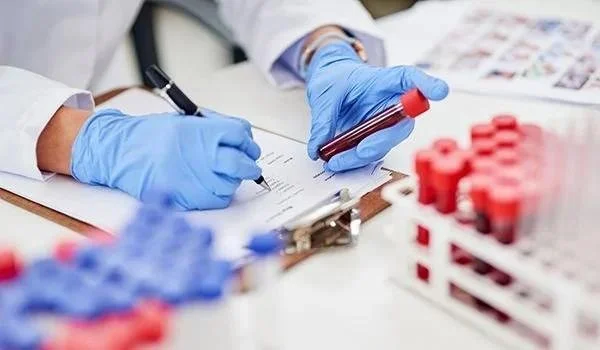
An insufficient blood sample, often reported as QNS or quantity not sufficient, means the laboratory did not have enough usable material to complete one or more requested tests. It is a statement about the specimen, not a diagnosis that your body has too little blood.
Ask which tests were affected, whether any valid results are already available and whether a fresh collection is needed. The urgency depends on why the test was ordered and how you feel, not on the letters QNS alone.
The next step is to close the missing-result gap. Keep the full report, check the laboratory's comment and ask the ordering clinician what information is still needed. One insufficient sample does not automatically mean that every test has failed or that a complete new panel is necessary. A repeat may be appropriate, but the laboratory's sample requirements and the clinical question should decide the collection plan.
Message The Wellness about a QNS result on WhatsApp or email team@thewellnesslondon.com or call 020 3951 3429.
What does QNS mean on a blood test report?
QNS stands for quantity not sufficient. Quest Diagnostics uses the term when the material supplied is insufficient for an initial measurement, repeat analysis or confirmatory testing. Its specimen guidance distinguishes the preferred volume from the minimum needed for a particular test. A tube that looks partly full is not, by itself, proof that every requested analysis can be completed.
Some tests use whole blood. Others need serum or plasma after processing. Several tests may share a specimen, while another test needs a different tube or handling process. This is why the amount collected at the appointment is not the same as the usable amount remaining for every analysis. The laboratory is best placed to explain which requirement was not met.
Read the report line by line. A result may be completed, pending, cancelled or not performed. These statuses mean different things. A missing result is not a normal result, and a test that is still being processed should not be mistaken for a failed test. Ask for clarification if the wording is unclear rather than trying to infer it from the layout of a patient portal.
Why can a blood sample be insufficient?
Too little material may have been collected, or the usable amount may be too small after processing and allocation to the requested tests. A difficult collection, an underfilled tube or loss of sample can be relevant. These are possible explanations, not a diagnosis of what happened in your case. The report comment or a query to the laboratory should establish the actual reason.
Not all rejected samples are QNS. Laboratories also assess identification, sample type, transport, storage and other test-specific requirements. A report that says clotted, haemolysed or unsuitable is not necessarily describing a simple shortage of blood. The collection team needs the exact wording so it can address the right problem before another appointment.
Lippi and colleagues' review, Preanalytical quality improvement, from dream to reality, describes why collection, handling, preparation and storage are important parts of laboratory quality. This is wider evidence about the testing process. It does not show how often a particular clinic's samples fail, and it should not be used to estimate the chance that your next sample will fail.
How is QNS different from an underfilled citrate tube or platelet clumping?
The details matter because a repeat should address the cause. Labcorp's coagulation specimen guidance explains that citrate tubes require the correct blood-to-anticoagulant ratio. Underfilling changes that ratio and can prolong clot-based coagulation assays. Filling requirements are therefore about the validity of the measurement as well as the amount of material available. They are not instructions for patients to alter a sample themselves.
Platelet clumping is another distinct issue. A study in the Journal of Clinical Laboratory Analysis, available through PubMed Central, describes how clumping in an EDTA sample can produce a falsely low platelet count. Laboratory staff may use a blood film and an appropriate alternative collection method to investigate it. That finding does not mean every low platelet count is an artefact or that a patient should disregard a low result.
Keep these terms separate when you contact the clinic. QNS, clotting, haemolysis and platelet clumps may require different actions. Never combine underfilled tubes, transfer blood between tubes or try to top up an old specimen. Sample handling belongs with trained staff following the receiving laboratory's instructions.
Does an insufficient sample mean I have a health problem?
QNS alone does not diagnose a health condition. It also does not answer the question that prompted the test. If the test was ordered to investigate symptoms, monitor treatment or check an earlier abnormal result, that clinical question remains open until there is enough reliable information to make a decision.
Valid results elsewhere on the report may still be useful. The clinician should assess them in context rather than wait automatically for every missing line. Equally, a few normal results cannot stand in for a different test that was not completed. Bring the original request and the full report together so the review can separate known findings from missing information.
Tell the ordering clinician if symptoms have changed while you are waiting. If you have an emergency, such as severe breathing difficulty, collapse or symptoms of a heart attack or stroke, call 999. Other new or worsening symptoms may need prompt clinical advice rather than a routine collection booking. A sample-status message is not a triage assessment.
Discuss a blood report review on WhatsApp
Do I need to repeat every test?
Not necessarily. The right starting point is a review of what was ordered, what has been completed and what is still clinically needed. A targeted repeat may be enough. In other circumstances, the clinician may need related tests together, a timed sample or a fresh assessment because the original question or your condition has changed.
Ask whether the laboratory still holds suitable material for the missing analysis. The answer depends on the test, remaining volume, specimen type, storage and stability. Do not assume a stored sample can be used indefinitely. Nor should you assume that an additional test can be added simply because another result came from the same collection.
Before agreeing to a new panel, ask what each proposed test will help decide. A longer list of biomarkers is not automatically a better answer to a failed specimen. The aim is a reliable result that addresses the clinical question, without unnecessary collection or duplicate charges. Any new symptoms or treatment changes should be included in that discussion.
How should I prepare for a repeat blood collection?
Follow the instructions for the actual tests being repeated. Quest's laboratory guidance notes that preparation can depend on fasting, medicines, biological variation and the timing of collection. A QNS label does not itself introduce a fasting requirement. Ask for written instructions if the booking message and the original advice do not match.
Do not stop or change prescribed medicine without advice from the clinician responsible for it. Tell the team about medicines and supplements so it can check whether timing matters for your tests. If fasting is required and you have diabetes, are pregnant or have another reason fasting may be difficult, ask for individual instructions rather than applying a generic online schedule.
Tell the collection team if the previous draw was difficult, if you have fainted before or if needles cause significant anxiety. Ask what arrangements it can offer, including whether you can lie down. Quest's guidance specifically addresses patients with a history of fainting. Mention access, language or communication needs before the appointment so the team can plan rather than discover them at the chair.
Confirm the location, appointment requirements and which request form or identification to bring. Ask who will receive the results and whether the original clinician remains responsible for follow-up. Good preparation includes the information pathway, not only the blood draw. If the test needs a particular time of day, confirm that the planned appointment meets that requirement.
Ask about preparing for a repeat blood test on WhatsApp
What should I check before paying for another blood test?
Start with the provider that arranged the original test. Ask whether its policy covers recollection after an insufficient specimen and whether there are separate collection, laboratory or consultation fees. Keep the explanation in writing where possible. A general article cannot determine the policy that applies to your request or promise that a repeat will be free.
If the original test was ordered through the NHS, ask the ordering service about the repeat route before arranging a private substitute. If it was private, ask the clinic which part of the original service remains outstanding. Changing providers can mean a new request, a different test method or a separate review, so make sure you understand what the new fee buys.
A complete screening assessment and a targeted repeat blood test are different services. Comparing their headline prices does not tell you whether a particular repeat is necessary or good value. Ask for the proposed tests, collection fee, interpretation and follow-up to be described separately. The useful comparison is the total cost of answering your clinical question, not the largest discount or the longest panel.
There is no universal London QNS repeat price. The sample requirement, tests and provider's policy determine the quote. Do not assume that a clinic's published screening-package price is the charge for replacing one missing result. Confirm the plan and total fee before booking, including what happens if the next specimen cannot be analysed.
How long should a repeat take?
Separate the time to arrange collection from the laboratory's processing time and the time needed for clinical review. A routine test and a specialised analysis can have different turnaround times. A promise that some results are available quickly is not a promise that every result in your request will arrive together.
Ask the provider for the expected timeframe for your specific tests and how you will be told about delays. If you have a deadline, such as a treatment review or planned procedure, say so before collection. The clinician should decide whether the missing information can safely wait, rather than treating an ordinary booking estimate as a clinical decision.
Agree what you should do if the report has not arrived by the stated time. Keep the original and repeat collection dates, and note which provider holds each result. The episode is not complete simply because another sample has been taken. Every clinically necessary test needs a valid result or a documented decision about why it is no longer required.
What should I ask the provider before a repeat?
Have the full report, original test request, collection date and any preparation instructions available. Note the exact wording beside each affected test. Explain why the test was ordered, whether symptoms have changed and whether you have already spoken to the original provider. These details help avoid booking the wrong collection or repeating information that is already available.
Ask who will decide the repeat plan, who will explain the completed results and how an urgent finding will be handled. If several services are involved, make the responsibility explicit. A laboratory comment explains the specimen problem; the clinician connects that comment to your health question. Both parts matter, and neither should be left for you to guess.
The Wellness can be contacted to discuss a blood-test enquiry. Share the report through the secure route the team provides, rather than sending sensitive documents to an unverified address. The appropriate appointment, collection arrangements, fees and timing should be confirmed for your circumstances. An enquiry is not confirmation that a particular test or appointment is available.
Related reading
Our guide to high LDH and sample quality explains why a laboratory comment can change the interpretation of a result. Repeat blood tests after executive screening discusses when another measurement may help and when testing needs a clearer clinical purpose.
Frequently asked questions
What does QNS stand for?
QNS means quantity not sufficient. It indicates that the laboratory did not have enough usable specimen for one or more analyses. It describes a testing limitation, not a diagnosis about your health. Check the exact report comment and ask which results remain outstanding.
Can some results still be valid if one test says QNS?
Yes, a report can contain completed tests alongside an insufficient-sample entry. Ask the ordering clinician or laboratory to distinguish completed, pending and not-performed tests. Do not treat a blank line as a normal result or assume that every completed result has been invalidated.
Will I need to repeat the whole blood panel?
Not always. A targeted repeat may be appropriate, but related tests, timing and changes in your health can affect the decision. The clinician should review the original request and the available results before deciding what further information is needed.
Should I fast before a repeat blood test?
Only if the instructions for the tests being repeated require it. QNS does not create a new fasting requirement. Confirm medicine and fasting instructions with the responsible team, especially if fasting may be unsafe or difficult for you. Do not change prescribed treatment on your own.
Will the repeat blood test be free?
That depends on the provider's policy and the circumstances of the original request. Ask the ordering service whether recollection is covered and whether laboratory, collection or review charges apply. Confirm the total fee before agreeing to a private repeat.
Can I wait for a routine repeat if I feel unwell?
Do not use QNS as reassurance about symptoms. Contact the responsible clinician for advice if symptoms are new or worsening. For an emergency, such as severe breathing difficulty, collapse or symptoms of a heart attack or stroke, call 999 rather than waiting for another blood test.
This article is general information, not a diagnosis or an individual testing plan. Information updated 6 November 2026. Laboratory sources describe their own processes and do not establish The Wellness's commercial policies or current appointment availability.
Discuss your next step after a QNS result on WhatsApp or email team@thewellnesslondon.com or call 020 3951 3429.
Sources and further reading
- Quest Diagnostics glossary, including the definition of QNS
- Quest Diagnostics laboratory general guidance on specimen volume and patient preparation
- Lippi and colleagues, Preanalytical quality improvement, from dream to reality, 2011
- Labcorp guidance on blood specimens for coagulation tests
- Clinical and Laboratory Standards Institute H21, collection, transport and processing for plasma-based coagulation assays
- Discovery and Correction of Spurious Low Platelet Counts due to EDTA-Dependent Pseudothrombocytopenia, Journal of Clinical Laboratory Analysis, 2015
- NHS guidance on when to call 999