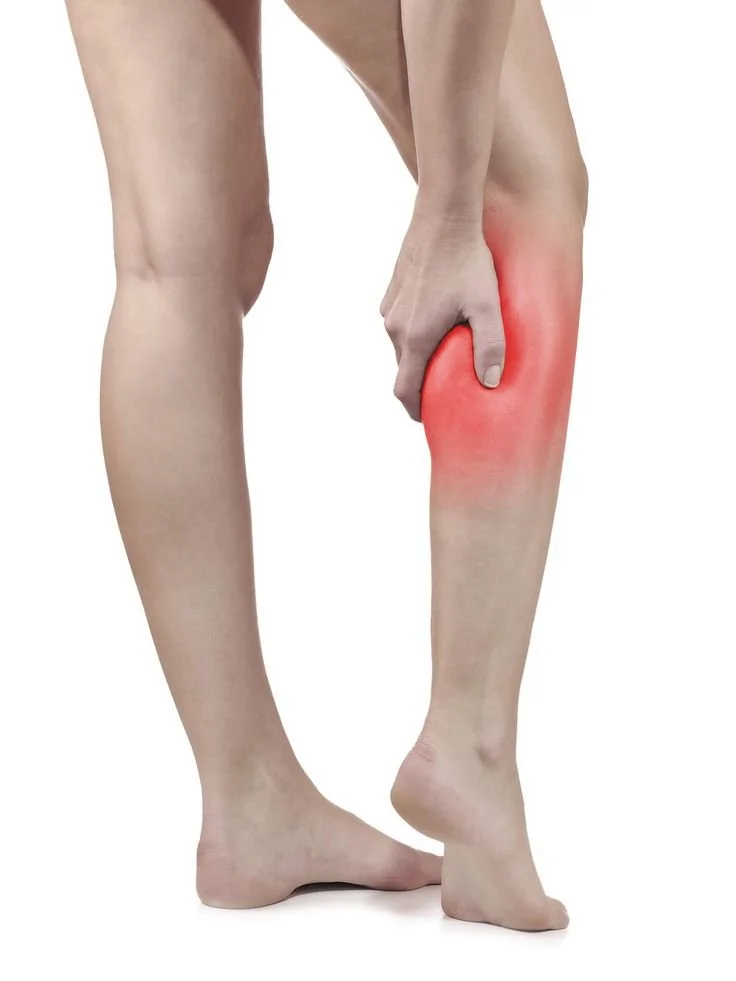
Calf twitches and cramps need different assessment when there is weakness or a change in function. Contextual photograph, not a diagnostic illustration.
A small flicker in a calf, eyelid or arm can feel surprisingly intrusive, especially when it keeps returning. Muscle twitches are common and usually do not mean that a serious neurological condition is developing. Tiredness, stress, caffeine, alcohol and some medicines can all contribute. The important distinction is between an isolated twitch and twitching accompanied by a genuine change in strength, muscle size, speech, swallowing or breathing.
A careful assessment puts the movement into context rather than judging it from a video or a list of possible diagnoses. NHS guidance advises a GP review when a twitch lasts more than two weeks, occurs in more than one place, or the area feels weak or stiff. New weakness deserves attention sooner. Sudden facial or arm weakness, speech difficulty or other stroke symptoms require 999, even if they improve. This article concerns adults and is general information, not a diagnosis from the pattern of a twitch alone.
What is a fasciculation?
A fasciculation is a brief, involuntary contraction of a small group of muscle fibres. It may look like a ripple beneath the skin without moving the whole limb. People often notice it while resting after activity, in the calves, or when watching a particular muscle closely. It can be felt even when it is difficult for someone else to see. The frequency and visibility can vary from one day to the next.
A twitch is not the same as a tremor, which is a more rhythmic shaking movement. It is also different from a cramp, where a muscle tightens painfully, or a tic, which can have a different pattern and sometimes a temporary ability to suppress it. These distinctions help the clinician choose the right examination and avoid treating several different symptoms as one condition. A short recording can help describe an intermittent movement, but does not replace that assessment.
Why can twitching appear during a busy period?
The NHS lists stress, anxiety, tiredness, caffeine, alcohol and some medicines among common links. A period of poor sleep, more coffee than usual and strenuous exercise may provide a plausible setting for a new twitch. Scottish NHS neurology guidance also describes calf fasciculations after exercise as common. A plausible trigger is helpful context, not proof that every symptom has the same explanation.
Simple adjustments are often reasonable while an isolated twitch settles: allowing adequate sleep, reducing excessive caffeine and alcohol, and keeping activity at a manageable level. There is no need to stop all exercise because one muscle flickers. However, exercising through a new loss of power or using repeated strenuous tests to prove a muscle is strong is not a substitute for medical review. A measured return to a normal routine is more useful than constant monitoring.
Twitching versus a real loss of strength
People use the word weakness in different ways. A limb can feel tired, shaky or heavy without a measurable loss of power. A clinician will also consider practical changes, such as repeatedly catching the toes when walking, difficulty rising from a chair, or losing the ability to grip and manage ordinary objects. The onset, progression and distribution of those changes matter. New loss of function should not be dismissed because twitching itself is usually benign.
An in-person examination may assess muscle strength, bulk, tone, reflexes, coordination and walking. This helps distinguish fatigue or discomfort from an objective neurological change. Repeatedly comparing the size of two limbs at home, testing grip dozens of times, or checking the tongue in a mirror is not a reliable diagnostic method. Normal variation can become more alarming with closer inspection. When strength is uncertain, a proper examination provides better information than a home strength challenge.
What does a GP assessment cover?
The consultation usually starts with when the twitching began, which areas are involved and whether it is spreading or changing. The clinician will ask about cramps, stiffness, altered sensation, pain and any difficulty with walking, hands, speech, swallowing or breathing. Exercise, recent illness, sleep and the effect on work or rest also help shape the picture. A history of neurological disease in the family can be relevant, but does not make a diagnosis by itself.
Medicines and supplements deserve a separate review. This includes prescribed treatments, over-the-counter products, energy drinks and anything recently started or increased. Some medicines can contribute directly, while others may affect fluid or electrolyte balance. Do not stop a prescribed medicine without advice. The useful outcome is a clear explanation of what seems likely, what remains uncertain, whether examination or tests are needed, and which changes should lead to an earlier review.
When are blood tests useful?
Blood tests are chosen to answer a question raised by the history and examination. Scottish NHS guidance includes kidney function and electrolytes, calcium and thyroid function among tests that may be considered. Creatine kinase can sometimes be relevant when muscle disease is suspected, but small increases can be difficult to interpret and the result is not a stand-alone neurological screening test. A large untargeted panel does not replace the clinical assessment.
Testing is not automatically needed for every short-lived eyelid or calf twitch. Equally, a normal blood result does not overrule new objective weakness or progressive neurological signs. If blood tests are arranged, their meaning should be explained in the setting of symptoms, medicines and recent activity. The next step might be observation, treatment of an identified problem, an in-person review or specialist referral. Repeating the same tests simply because the twitch remains noticeable may not add useful information.
What does benign fasciculation syndrome mean?
Benign fasciculation syndrome describes persistent or recurrent twitching without evidence of a progressive damaging neurological disorder. Cramps can occur alongside it. The term should follow an appropriate assessment, not be assigned from an internet description or assumed because someone is young or physically active. Scottish NHS guidance describes fasciculations without weakness as usually benign and emphasises explanation and reassurance when the assessment supports that conclusion.
Benign does not mean imagined or unimportant. A symptom can be physically real, disturb sleep and affect concentration without threatening strength or mobility. Management often focuses on understanding the pattern, reducing relevant triggers and agreeing sensible follow-up rather than seeking a medicine to suppress every movement. If symptoms change, a previous benign explanation can be reviewed. The aim is a stable plan that allows normal life, rather than a promise that no muscle will ever twitch again.
Does twitching mean motor neurone disease?
Twitching alone does not establish motor neurone disease, or MND. The NHS describes MND as a condition involving progressive muscle weakness, with possible changes in walking, hand function, speech, swallowing and breathing. Those features need medical attention, but they also have other possible causes. Neither the location of a twitch nor the number of twitches in a day can confirm or exclude MND.
NICE advises against routinely referring isolated small muscle twitches unless they are associated with muscle wasting and weakness or rigidity. That is a clinical referral recommendation, not a rule for people to apply without examination. Persistent or widespread twitching still merits the GP review advised by the NHS. If examination suggests a neuromuscular problem, referral to neurology and selected tests may be appropriate. A nerve or muscle test is not automatically the right first investigation for every isolated twitch.
When should help be urgent?
Call 999 for sudden facial drooping, sudden arm weakness, slurred or confused speech, or other suspected stroke symptoms. Do not assume a new neurological change is anxiety or a familiar twitch. Serious difficulty breathing also needs emergency help. A routine online consultation is not an emergency route and should not delay urgent care while a message or appointment is awaited.
Rapidly worsening weakness, new swallowing difficulty, repeated choking or breathlessness with weakness needs urgent medical assessment. NICE recommends immediate referral for rapidly progressive symmetrical limb weakness and for progressive weakness with breathlessness at rest or when lying flat. A GP review should also be arranged for a twitch persisting beyond two weeks, more than one affected area, stiffness, a sense of weakness, or a suspected medicine effect. Symptoms that are changing deserve a fresh assessment rather than waiting for an arbitrary time limit.
How to reduce the burden of repeated checking
It is understandable to notice a new movement and look for an explanation. The difficulty is that repeatedly watching, touching and testing the muscle can make the symptom dominate the day. NHS information on health anxiety describes frequent body checking and repeated reassurance-seeking as behaviours that can keep worry going. Recognising that pattern does not mean that the original symptom should be ignored or that examination is unnecessary.
A more useful approach is to agree one clinical plan, record meaningful functional changes if they occur, and gradually reduce repeated searching or self-testing. Sleep and ordinary activities deserve space again. If fear remains distressing after an appropriate assessment, support for health anxiety can be part of care alongside, not instead of, attention to physical symptoms. Cognitive behavioural therapy may help some people. Clear review boundaries are usually more helpful than another cycle of momentary reassurance.
A considered next step
For stable twitching without urgent features, a GP consultation can bring the symptom, medicines and daily context together. A brief history of where and when it happens, whether there has been a real functional change, and any recent treatment or lifestyle change is usually more useful than a long count of individual movements. An occasional recording may help if the movement disappears during the appointment.
An online discussion can help establish the history and decide what should happen next, but it cannot reliably check reflexes, muscle bulk or power in the way an in-person neurological examination can. The appropriate route may therefore include examination or specialist assessment. The Online GP by The Wellness welcomes non-urgent enquiries about the suitable consultation route. The purpose is a proportionate assessment and a clear plan, not a guarantee that a video call or blood panel can exclude every neurological condition.
Discuss a non-urgent muscle-twitching assessment
Frequently asked questions
Can an eyelid twitch be harmless?
Yes. Brief eyelid twitching is common and can be linked to tiredness, stress or caffeine. Persistent symptoms, forceful repeated eye closure, twitching involving a wider part of the face, or other neurological symptoms should be reviewed. An eyelid movement and a whole-side facial spasm are not necessarily the same problem.
Should I take magnesium for every muscle twitch?
No. Twitching does not diagnose a magnesium deficiency. Supplements can be unnecessary, interact with medicines or be unsuitable for some medical conditions. A clinician can decide whether nutrition, medicines or blood testing need attention. An identified deficiency should be managed in context rather than inferred from one symptom.
Do I need to stop my prescription medicine?
Do not stop a prescribed medicine on your own because twitching appears in its side-effect information. A GP or pharmacist can review when symptoms started, the dose and alternatives if needed. Some treatments need a planned change or gradual reduction, and stopping abruptly can create a separate problem.
Can an online consultation rule out MND?
No online conversation can provide that guarantee. The history can guide urgency and next steps, but neurological examination may be needed. Persistent twitching with new loss of function, wasting, weakness or stiffness requires clinical review. A specialist assessment is arranged when the findings justify it, rather than on the twitch alone.
How long should I wait before seeing a GP?
NHS advice is to see a GP if a twitch lasts more than two weeks, happens in more than one place, or the area feels weak or stiff. Seek help sooner for a new functional change. Sudden stroke symptoms or serious breathing difficulty need emergency care, not a two-week wait.
Will benign twitching disappear completely?
It may settle, come and go, or remain noticeable for longer. The course varies and no treatment can promise that every twitch will stop. A reassuring examination, sensible trigger changes and an agreed review plan can reduce its impact. New symptoms or progression should prompt reassessment even after a previous benign explanation.
Sources
NHS, Twitching eyes and muscles
NHS Scotland Right Decisions, Muscle twitches and cramps
NICE NG127, Suspected neurological conditions: recognition and referral