A review should protect both your comfort and your heart health
New muscle pain while taking a statin deserves a clinical review. It does not automatically mean the medicine is responsible, and it does not mean the only choices are to tolerate symptoms or abandon cholesterol treatment. The aim is to understand what has changed and agree a plan that remains appropriate for your cardiovascular risk.
Seek urgent medical advice if muscle symptoms are severe or accompanied by marked weakness, a high temperature, or red or brown urine. NHS information for atorvastatin advises calling 111 if you think you are having serious side effects. Difficulty breathing or swelling of the tongue or throat needs emergency help on 999. Do not wait for a routine online appointment when urgent care is needed.
Can statins cause muscle pain?
They can, but the distinction between symptoms occurring during treatment and symptoms caused by treatment matters. NICE advises that the risk of muscle pain, tenderness or weakness attributable to statins is small, and severe muscle injury caused by statins is extremely rare.
That evidence should support a balanced conversation, not dismiss an individual experience. Muscle symptoms have other possible explanations, and a change that starts after a prescription may still need investigation. The clinician needs to consider the pattern, timing and severity alongside the medicine and your wider health.
A symptom diary can help establish what happened: when the statin started or changed, when the discomfort appeared, and whether ordinary activities have become difficult. This is useful clinical context, not a test that proves the cause.
When to seek urgent help rather than a routine review
Severe muscle pain or weakness, particularly with fever or red or brown urine, may indicate a serious problem. NHS atorvastatin guidance describes these as possible features of muscle inflammation and damage. Contact NHS 111 promptly if you suspect serious side effects, and follow the advice about assessment and your next dose.
Do not assume that dark urine is simply dehydration, or that difficulty getting out of a chair is ordinary exercise soreness. An article cannot establish the cause remotely. New chest pain, severe breathlessness or a suspected stroke also belongs with emergency care, not a medication-review enquiry.
For milder, unexplained muscle pain, tenderness or weakness, NICE recommends seeking medical advice. A planned review is appropriate when symptoms are stable and there are no urgent features, but you should not have to wait until an annual prescription check to raise a concern.
What the GP needs to understand
A useful assessment starts with the exact statin, dose and reason for treatment. Someone taking treatment after a heart attack or stroke has a different background risk from someone starting prevention because of an estimated future risk. The benefits of continued lipid lowering remain part of the decision even when symptoms are troublesome.
The review also considers when symptoms began, where they occur, whether there is weakness as well as pain, and whether anything else changed. Recent illness, a change in activity and other health conditions may affect the interpretation. Bring the names of prescribed medicines, over-the-counter products and supplements, including anything started shortly before the symptoms.
Some medicines interact with statins. NHS atorvastatin information lists certain antibiotics, antifungals and other medicines among the possible interactions. The relevance depends on the exact combination. A pharmacist or prescriber should check it rather than relying on a generic list or stopping several medicines at once.
Book a GP appointment for a non-urgent review of stable symptoms. If an examination or urgent investigation is needed, an online consultation should direct you to the appropriate in-person route rather than offer false reassurance.
What does a creatine kinase blood test show?
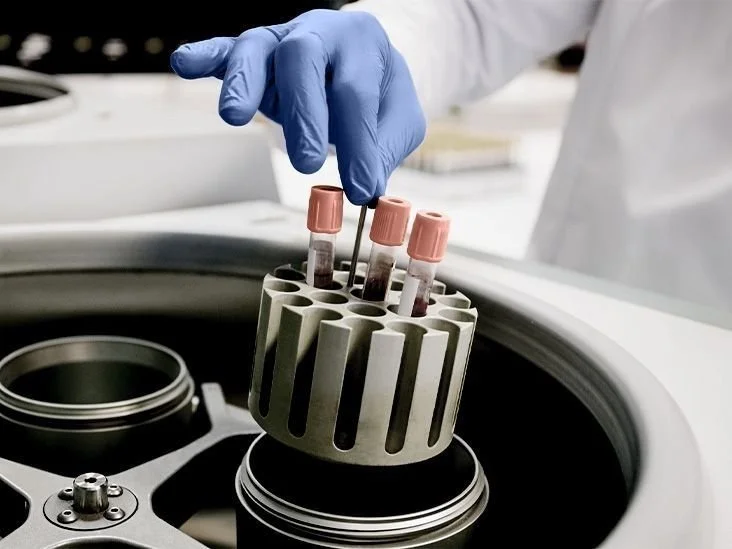
Creatine kinase, often shortened to CK, is a blood marker used when assessing possible muscle injury. NICE recommends measuring CK when someone taking a statin develops unexplained muscle pain, tenderness or weakness. It does not recommend routine CK testing in people taking a statin who have no muscle symptoms.
This is different from checking a cholesterol level. A lipid profile helps assess the response to cholesterol treatment; it does not establish whether muscle symptoms are related to the medicine. Different blood tests answer different questions.
NICE advises that when muscle symptoms occur and CK is less than five times the laboratory's upper limit of normal, the symptoms are unlikely to be due to the statin and other possible causes should be explored. That result still needs a clinical interpretation. It is not a reason to ignore severe or changing symptoms, and an isolated number should not be used to make your own dosing decision.
A treatment adjustment is not the same as giving up prevention
If a high-intensity statin appears to be causing adverse effects, NICE describes several options to discuss. These include a supervised pause and a trial again after symptoms settle, a change to another statin, a lower dose or a lower-intensity statin. The choice depends on the clinical picture and the benefit expected from treatment.
A supervised pause should have a purpose, a follow-up point and a plan for what happens next. Quietly stopping for months leaves both the symptom question and the cardiovascular plan unresolved. Equally, restarting after a serious suspected reaction should not be improvised without medical advice.
NICE recommends aiming for the maximum statin intensity and dose that can be tolerated when a high-intensity regimen is not tolerated. Other lipid-lowering treatments may also be appropriate in defined circumstances. These are individual prescribing decisions, not automatic replacements offered on the basis of one symptom or one blood result.
What follow-up should include
The next step should be clear before the review ends: whether treatment continues unchanged, whether further assessment is needed, whether a prescribed change is being tried, and when progress will be reviewed. Continuing symptoms may require reassessment even if an initial test is reassuring.
NICE recommends checking liver transaminases and a full lipid profile two to three months after starting or changing lipid-lowering treatment. These routine monitoring recommendations do not replace earlier investigation of possible serious side effects. Annual medication reviews remain important once treatment is stable.
At The Online GP by The Wellness, a consultation can provide time to discuss the symptoms, medicine history and appropriate next steps. View appointment options, or contact the clinic about arranging a non-urgent review. Tests, prescriptions and referrals should follow the assessment; they are not guaranteed by booking an appointment.
Common questions
Should I stop my statin for an ordinary muscle ache?
Do not make a long-term treatment change on the basis of an article. Seek advice about unexplained muscle symptoms. Severe symptoms or possible serious side effects need urgent advice, not a routine booking.
Does a normal CK prove nothing is wrong?
No. The result helps assess the symptoms, but it does not explain every cause of muscle pain or weakness. Persistent, severe or changing symptoms still need appropriate assessment.
Do all statins cause the same symptoms in everyone?
No. NICE includes changing the statin, dose or intensity among the options when adverse effects occur. A clinician should agree the choice and follow-up with you.
Can a cholesterol blood test explain my muscle pain?
A lipid profile assesses blood fats and the response to treatment. CK has a different role when unexplained muscle symptoms occur. Testing should be guided by the clinical question.
Can I replace a statin with a supplement?
Do not assume that a supplement provides equivalent cardiovascular protection. NICE does not recommend coenzyme Q10 or vitamin D to improve adherence to statin treatment. Any proposed alternative needs a discussion of evidence, safety and your individual risk.
Is an online appointment always enough?
No. A history can begin online, but examination, blood testing or urgent in-person care may be needed. The appropriate route depends on the symptoms and their severity.
Sources
- NICE NG238: cardiovascular disease risk assessment and lipid modification, especially sections 1.5, 1.9, 1.11 and 1.12.
- NHS: Atorvastatin, side effects and medicine interactions.
This article gives general information, not an individual diagnosis or a change to your prescription. Follow advice from the clinician or urgent-care service assessing your symptoms.