A high haemoglobin or haematocrit result needs interpretation alongside the rest of your blood count, previous results and your health. It does not, on its own, diagnose polycythaemia vera or establish that you need treatment.
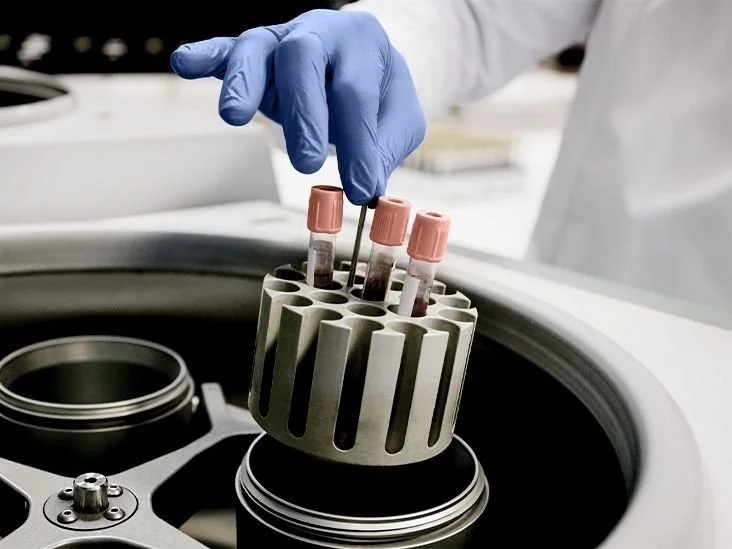
A raised blood count is interpreted alongside the full report, previous results and clinical history. Illustrative photograph.
What does high haemoglobin or haematocrit mean?
Haemoglobin is the oxygen-carrying protein in red blood cells. Haematocrit describes the proportion of your blood made up of red cells. A laboratory may also call it Hct or packed cell volume. These measurements are related, but they are not interchangeable with the red blood cell count.
A raised concentration can have different explanations. There may be less fluid, called plasma, around a normal number of red cells. Alternatively, the body may be producing more red cells. Distinguishing those situations is the purpose of assessment, rather than treating the flag on the report as a diagnosis.
A doctor reviews the actual values, units and laboratory reference ranges. Haematocrit may be written as a fraction or percentage, so 0.52 and 52% describe the same proportion. The haemoglobin reference range also depends on the laboratory and the person's circumstances. Results should be compared on that basis, not with an isolated number found online.
When does a raised result need urgent help?
Do not wait for a routine private appointment if you have symptoms of a possible blood clot, heart attack or stroke. Call 999 for sudden severe breathlessness, chest pain suggesting a heart attack, collapse, or sudden face weakness, arm weakness or speech difficulty. Coughing up blood with breathing difficulty also needs emergency help.
Pain, swelling, warmth or redness affecting one leg needs urgent medical assessment for a possible deep vein thrombosis. New visual disturbance, a persistent unusual headache or other concerning neurological symptoms alongside a raised result also warrants prompt clinical advice. Symptoms matter even if you have not yet been told how high the count is.
A markedly raised haematocrit can require urgent specialist discussion even without those emergency symptoms. Some UK pathways use values around 0.60 in men or 0.56 in women as urgent escalation thresholds, but these are not safe limits below which someone should ignore symptoms. If the laboratory or requesting clinician has asked you to seek urgent care, follow that advice rather than arranging a routine repeat yourself.
Why might the doctor repeat the full blood count?
One unexpected result may not represent a persistent change. Dehydration can concentrate the blood, and sample handling can affect the reported haematocrit. Current UK guidance therefore includes confirming the finding with an appropriately collected, promptly processed sample and reviewing the circumstances of the first test.
A repeat is useful when it answers a defined question. Was the first result temporary? Is the count stable or increasing? Are the haemoglobin and haematocrit moving together? What are the white blood cells, platelets and red cell size doing? Those details are more informative than simply ordering the same panel without a follow-up plan.
There is no single repeat interval suitable for every raised result. A mildly raised value in someone who feels well is a different situation from a rapidly rising count, concerning symptoms or other abnormalities. The timing should be set by the clinician who has reviewed the report. Do not postpone an assessment in order to try to improve the number first.
Can dehydration explain a high haematocrit?
It can. In relative erythrocytosis, the concentration rises because the plasma volume is lower, not because the body has necessarily made too many red cells. Recent fluid losses and medicines that increase urine production can be relevant. The history helps the doctor decide whether this is a plausible explanation.
Normal hydration before a repeat test can help interpretation, but drinking excessive water is not a treatment or a reliable way to exclude disease. Follow any existing fluid restriction and the preparation instructions given by your clinician. A result that remains raised should not be attributed to dehydration indefinitely without checking the wider picture.
The distinction also explains why a high concentration is not automatically evidence of improved fitness or better oxygen delivery. A blood count measures aspects of the blood, not overall physical performance. The clinical question is why the value is raised and whether it needs investigation, not whether a higher result is desirable.
Which health conditions and medicines can contribute?
Secondary erythrocytosis means that increased red cell production is occurring in response to another factor. Examples include some lung or heart conditions, smoking-related effects, sleep apnoea, high-altitude exposure and certain kidney problems. These are possibilities to assess, not diagnoses that can be selected from a blood result alone.
The medication history is particularly important. Testosterone, anabolic steroids, erythropoietin, diuretics and SGLT2 inhibitors can be relevant. Prescribed treatment, supplements and non-prescribed products all belong in that history. A result review is more useful when the doctor knows what was being taken at the time of each test.
Do not stop a prescribed medicine or change its dose because of this article. The reason it was prescribed, the degree of the rise and the available alternatives need to be considered together. Where a medicine may be contributing, the prescriber can decide what monitoring or change is appropriate.
Sleep and breathing symptoms also help direct the assessment. Loud snoring, witnessed pauses in breathing or daytime sleepiness may justify investigation for sleep apnoea. A normal daytime oxygen reading does not exclude every oxygen-related cause. The CMAJ review notes that some conditions, including sleep apnoea and smoking-related carbon monoxide effects, may not be identified by a simple daytime saturation measurement.
Does a high result mean polycythaemia vera?
No. Polycythaemia vera is one possible cause of persistent erythrocytosis, but secondary causes are more common. It is a bone marrow condition in which blood cell production is increased. It cannot be confirmed or excluded by the haemoglobin result alone.
The pattern may provide clues. Raised white blood cells or platelets, itching after a bath or shower, an enlarged spleen, unexplained weight loss, drenching sweats or a history of thrombosis may influence the investigation. None of these findings is specific enough to establish the diagnosis without appropriate assessment.
Persistent unexplained elevation deserves a clear plan even if you feel well. Conversely, a single slightly high result should not be described as blood cancer. Good interpretation avoids both errors: overlooking a sustained abnormality and giving a serious label before the necessary evidence exists.
What do JAK2 and erythropoietin tests establish?
Erythropoietin is a hormone involved in stimulating red cell production. Its level can help distinguish possible causes when interpreted alongside the blood count and clinical findings. It is not a standalone answer, and the meaning of a low, normal or high result depends on the question being investigated.
JAK2 testing looks for a genetic change associated with polycythaemia vera and some other bone marrow disorders. A positive result needs specialist interpretation; a negative initial test does not resolve every possible cause of erythrocytosis. Further testing is selected according to the findings rather than added routinely to every screening panel.
The initial assessment may also include a blood film, kidney and liver function, ferritin, oxygen measurement and an examination. Imaging or breathing investigations are directed by the history and examination. Not everyone needs all of these tests. The value lies in choosing the investigation that can change the next decision.
Why do ferritin, MCV and the rest of the count matter?
Ferritin provides information about iron stores, while MCV describes average red cell size. Low iron stores can occur alongside a raised haematocrit, and small red cells can make the overall pattern less straightforward. A normal haemoglobin does not settle every question when other red cell measurements remain abnormal.
This is one reason to bring the complete laboratory report rather than only a screenshot of the flagged line. Previous full blood counts can show whether the finding is new, longstanding or changing. Reports from another laboratory are still useful, provided their units and reference ranges are available.
Do not start iron to correct a low ferritin result without discussing the combination of findings with a clinician. UK haematology guidance warns that iron replacement can increase haematocrit in some people with genuine erythrocytosis. Equally, do not stop treatment already prescribed for you without speaking to the prescriber. The combined pattern needs review.
Why is treatment different for different causes?
The aim is to address the cause and any associated risk, not simply reduce a laboratory number. Someone with a temporary concentration change does not have the same needs as someone with a confirmed bone marrow disorder or an oxygen-related condition. That distinction should be made before treatment is chosen.
Evidence for treating polycythaemia vera cannot be applied automatically to every raised haematocrit. The British Society for Haematology and the CMAJ review distinguish management of confirmed polycythaemia vera from secondary erythrocytosis. Venesection, the controlled removal of blood, is not a routine treatment for every secondary cause.
Do not begin aspirin, arrange blood donation as a workaround or seek blood removal solely because a result is flagged. These steps may be inappropriate and can carry risks. If a specialist treatment is needed, the diagnosis, target and monitoring plan should be explained by the team responsible for your care.
How can The Online GP help with a raised result?
The Online GP by The Wellness offers telephone consultations and video consultations for non-emergency concerns. A consultation can provide time to review the full report, the trend and your medical history, then discuss whether a repeat sample, an examination or a specialist opinion is appropriate.
The value is a considered plan rather than a larger collection of tests. That includes explaining what remains uncertain, who will review the next result and what symptoms should change the urgency. A remote consultation cannot itself measure oxygen levels reliably, examine the spleen or collect a blood sample; an in-person assessment may be needed.
For non-emergency appointment enquiries about a raised haemoglobin or haematocrit, contact The Online GP. The team can discuss appointment format and availability before you book. Investigations and referrals depend on clinical assessment and appropriateness. An urgent laboratory instruction or emergency symptom should take priority over a private booking.
Questions about high haemoglobin and haematocrit
Is a slightly high haemoglobin always serious?
No. A small elevation may be temporary or related to reduced plasma volume, but its meaning depends on the actual result, symptoms and previous counts. A clinician should decide whether confirmation or investigation is needed. The word slightly should not be used to dismiss a rising trend or concerning symptoms.
Can I have erythrocytosis without symptoms?
Yes. A raised concentration may be found incidentally during a blood test for another reason. Feeling well is useful context, but it does not establish the cause or remove the need to review a persistent unexplained elevation. Follow the plan agreed with the requesting clinician.
Should I drink more water before repeating the test?
Follow normal hydration advice and any preparation instructions you have been given. Do not force excessive fluids or ignore a prescribed fluid restriction. Hydration can affect concentration, but a normal-looking repeat after changing your fluid intake should still be interpreted in the context of the original result and history.
Can testosterone treatment affect the result?
Yes. Testosterone can contribute to erythrocytosis, so the prescriber needs to know about a raised result and the full monitoring history. Do not adjust the treatment yourself. The clinician can review the degree of the rise, the reason for treatment and whether the monitoring or prescription needs to change.
Does everyone need a JAK2 test?
No. Testing depends on whether the elevation is persistent, the wider blood count and whether another explanation has been identified. JAK2 is part of an investigation pathway, not a general wellness marker. A doctor can explain when it is useful and whether specialist advice should come first.
Can I book a routine review if the laboratory called urgently?
Do not replace urgent advice with a routine appointment. Contact the requesting clinician promptly and follow the route they recommend. If you have symptoms suggesting a heart attack, stroke or pulmonary embolism, seek emergency help. The first decision is the urgency of care, not which private appointment to choose.
Sources
CMAJ: Investigation and management of erythrocytosis
British Society for Haematology: Diagnosis and management of polycythaemia vera
British Society for Haematology: Specific situations and secondary erythrocytosis
NHS Highland: Polycythaemia and erythrocytosis guidance, reviewed June 2026