An irregular heartbeat notification from a smartwatch is a reason to consider clinical assessment, not a diagnosis of atrial fibrillation. A doctor can review the alert alongside your symptoms and history, then decide whether an examination, ECG or further monitoring is needed. The right next step depends on how you feel now, not simply what the screen says.
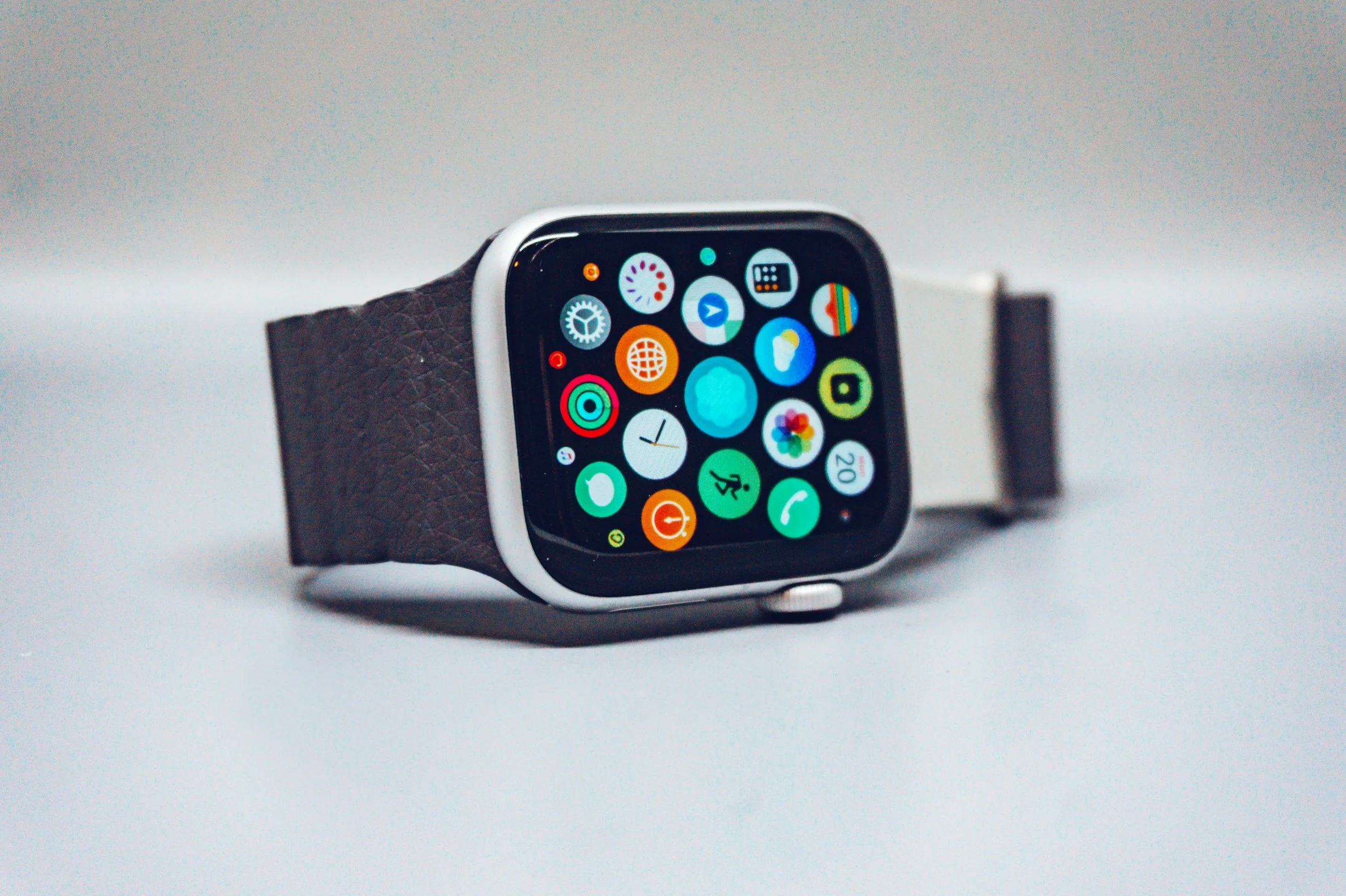
A smartwatch can provide useful rhythm information, but an alert does not replace a clinical assessment. Illustrative photograph.
When does an irregular heartbeat need emergency care?
Call 999 if you currently have a fast or irregular heartbeat together with chest pain, shortness of breath, sweating, feeling or being sick, fainting, dizziness or falling over. The NHS also lists severe headache, weakness or numbness on one side, visual changes, confusion and difficulty speaking as emergency warning signs in this situation. Do not drive yourself to A&E.
A private appointment or a message to a clinic is not a substitute for emergency assessment. Do not wait for another device reading before seeking help when these symptoms are present.
Does an alert mean I have atrial fibrillation?
Not on its own. Atrial fibrillation is a heart rhythm problem, and a consumer notification is different from a clinical diagnosis. NICE describes findings from a consumer wearable as one of the factors that may lead someone to seek a healthcare appointment.
The doctor needs to understand what the device actually recorded. An irregular rhythm notification, a displayed heart rate and a downloadable tracing are different types of information. Bring the original report or recording if it is available, together with the date, time and symptoms you noticed. A label on a watch should not be treated as confirmation that you need treatment.
The opposite is important too. Do not use a reassuring device reading to dismiss symptoms. Clinical assessment is based on the whole picture.
What happens at a GP assessment?
The purpose is to turn a notification into a sensible clinical plan. The NHS explains that assessment for suspected atrial fibrillation includes questions about symptoms and a check of the heart rate. Further tests may be needed to assess the rhythm and possible contributing causes.
A clear account helps: whether you felt palpitations, breathlessness, dizziness or chest discomfort; whether episodes keep recurring; and which medicines you take. If you have already had tests, their reports can help the doctor understand what has and has not been established.
The consultation should explain what is known, what remains uncertain and what investigation or follow-up is appropriate. It should not begin with an assumption that a notification needs a large screening package.
Why might I need an ECG?
NICE recommends a 12-lead electrocardiogram to diagnose atrial fibrillation when an irregular pulse is detected in someone with suspected atrial fibrillation, whether or not symptoms are present. This is not the same as taking a pulse reading from a watch.
An ECG records the heart's electrical activity. Which investigation is appropriate, and where it can be carried out, must be decided through assessment. A video or telephone conversation cannot itself perform a physical examination or a 12-lead ECG.
What if the symptoms stop before the appointment?
Symptoms that come and go still deserve a clear history. The NHS notes that atrial fibrillation symptoms can start and stop on their own, and that some people have no symptoms.
Where intermittent atrial fibrillation is suspected but has not been detected on a 12-lead ECG, NICE recommends monitoring suited to the pattern of episodes. Its guidance distinguishes episodes less than 24 hours apart from those further apart. That choice belongs to the assessing clinician, rather than being determined by a consumer notification alone.
Keeping the original alert and a brief account of the episode can therefore be more useful than trying to reproduce a particular reading during the consultation.
Should I change my medicine after an alert?
A notification does not establish which treatment, if any, is needed. Treatment for confirmed atrial fibrillation depends on clinical assessment, including the risks associated with the condition and the individual circumstances.
Tell the doctor about prescribed medicines, non-prescription products and any recent changes. Do not use this article or a device label as a reason to start, stop or change treatment. If you already have a diagnosis and an agreed care plan, explain how this episode differs from your usual symptoms and follow the clinical advice you have been given.
What is the watch actually measuring?
Many watches use an optical sensor to estimate changes in blood flow at the wrist. This is called photoplethysmography, or PPG. The intervals between pulses can suggest that the rhythm is irregular. An optical pulse reading is not the same measurement as an ECG, which records electrical activity. Some devices also offer a separate, on-demand single-lead ECG function. Understanding which feature produced the result helps a clinician interpret it properly.
A high-heart-rate alert is also different from an irregular-rhythm alert. The first may refer to a rate above a chosen threshold; the second concerns the pattern of the beats. Neither label, considered alone, explains the cause. A screenshot of the exact notification and the original tracing, if the device recorded one, are therefore more informative than the broad description that a watch found a heart problem.
The American College of Cardiology describes both the potential value of consumer rhythm data and its limitations. These devices can bring an otherwise unnoticed episode to clinical attention. Their role is to add information to an assessment, rather than replace the history, examination and appropriate diagnostic test.
Why can an alert and a later ECG give different results?
A heart rhythm can change between the time of a notification and the time a recording is made. Atrial fibrillation that starts and stops is called paroxysmal atrial fibrillation. If the episode has ended, a later ECG may not show what was happening when the alert appeared. That does not prove that the original alert was correct, but it also means the later result cannot always settle the earlier episode on its own.
This distinction was apparent in the Apple Heart Study, published in the New England Journal of Medicine in 2019. Among 450 notified participants who returned analysable ECG patches, atrial fibrillation was found in 34%. The patches were applied an average of 13 days after the first notification. In a separate analysis of 86 participants who received another notification while wearing a patch, 72 had atrial fibrillation on the simultaneous ECG, giving a positive predictive value of 84%.
Those percentages answer different questions. They are not a universal accuracy rating for every watch, every notification or every person. The study was funded by Apple, used a particular notification system and did not establish the sensitivity of the watch as a general screening test. Its useful clinical lesson is that timing and confirmation matter.
How does a doctor choose the length of monitoring?
NICE recommends a 24-hour ambulatory ECG monitor when suspected intermittent atrial fibrillation has not been found on a 12-lead ECG and episodes are thought to occur without symptoms, or symptomatic episodes are less than 24 hours apart. When symptomatic episodes are more than 24 hours apart, it recommends an ambulatory monitor, event recorder or other ECG technology for a period appropriate to detect the rhythm.
This is why the frequency of episodes matters as much as their duration. A monitor worn for a short interval may not capture a symptom that happens only occasionally. The aim is to select a recording approach that has a reasonable opportunity to answer the clinical question, rather than repeat the same test without considering the pattern.
Monitoring also needs a plan for interpretation and follow-up. The recording is useful when its findings can be related to the symptoms and explained in context. A clinician can discuss whether the result has answered the question, whether another explanation needs consideration and whether further assessment is appropriate. No device or monitoring period can guarantee that an intermittent episode will be captured.
Does no notification mean the rhythm is normal?
No. Apple's current guidance explains that its irregular-rhythm feature checks occasionally rather than continuously. It may miss atrial fibrillation, and someone with atrial fibrillation may receive no notification. Charging, periods when the watch is not worn and the limits of the particular feature also affect what information is available.
Features have defined intended uses. For example, Apple states that its irregular-rhythm notifications are not intended for people under 22 or for people already diagnosed with atrial fibrillation. Its AFib History feature is a different function. These details should not be assumed to apply identically to every manufacturer or model. The relevant instructions are those for the actual device and feature being used.
Symptoms take priority over a reassuring screen. Feeling faint, breathless or unwell is not made safe by the absence of a notification. Equally, repeated checking should not delay an assessment or emergency care. The purpose of the technology is to support a decision about care, not make someone responsible for interpreting every variation in their pulse.
Why does a confirmed diagnosis need a separate treatment discussion?
If atrial fibrillation is confirmed, treatment is more individual than a watch label can convey. NICE recommends clinical assessment of stroke risk and, when anticoagulation is being considered or reviewed, bleeding risk. Managing symptoms and reducing the risk of complications are related parts of care, but they are not the same decision.
The relevant discussion includes the person's medical history, existing treatment and preferences. An alert does not calculate all of these factors or establish that a medicine is needed. A lower number of notifications is not, by itself, a reason to stop prescribed treatment. Apple also advises people not to change medicines without speaking to their doctor.
For a client with an established diagnosis, the most useful consultation may concern a change from their usual pattern or how new information fits an existing care plan. For someone without a diagnosis, the first task remains establishing what the rhythm finding means. A considered assessment keeps those two situations distinct and makes the next step more specific.
How can The Online GP help?
A GP consultation provides time to discuss the notification, your symptoms, medical history and available reports. The value is a considered next step: whether further examination or investigation is needed, what can be addressed in the consultation and what needs a different route.
The Online GP by The Wellness offers telephone consultations and video consultations for non-emergency concerns. The team can discuss the appointment format before you book. Availability is confirmed by the team; investigations and referrals depend on the doctor’s assessment and clinical appropriateness.
For non-emergency appointment enquiries, contact The Online GP. If symptoms suggest an emergency, use the emergency route above rather than waiting for a private appointment.
For related reading, see our guides to atrial fibrillation and wearable health data.
Questions about smartwatch rhythm alerts
Can a smartwatch diagnose atrial fibrillation?
A notification alone is not a clinical diagnosis. NICE treats consumer wearable findings as one factor that can prompt an appointment. The doctor considers the symptoms, history and appropriate investigations. For suspected atrial fibrillation with an irregular pulse, NICE recommends a 12-lead ECG to make the diagnosis.
Is an alert important if I feel well?
Feeling well does not explain what the notification means. The NHS notes that atrial fibrillation can occur without symptoms. Arrange an appropriate clinical review rather than assuming either that the alert proves disease or that the absence of symptoms rules it out. Urgent symptoms change the route you need.
Is a telephone appointment enough?
A telephone consultation can help establish the history and appropriate next step, but it cannot perform a physical examination or ECG. The doctor may recommend an in-person assessment or investigation. The right format depends on your symptoms and needs, not simply on which appointment is easiest to book.
What should I bring to the consultation?
If available, bring the original notification or tracing, its date and time, and a short description of any symptoms. Relevant previous reports and your medication list help provide context. These support the clinical history; they do not replace the examination or investigations the doctor considers necessary.
Should I wait for a second alert before seeking help?
Do not wait for another reading if you have emergency symptoms. Call 999 for a current fast or irregular heartbeat with the warning signs described above. For non-emergency concerns, a GP can assess the history and decide what follow-up is appropriate without requiring you to reproduce a particular alert.
Can a smartwatch rule out a heart attack?
No. Apple states that its watch cannot detect heart attacks. A rhythm notification feature is not a test for every cause of chest symptoms. Chest pain, pressure or tightness that could be a heart attack needs emergency assessment. Follow the emergency advice at the start of this article rather than waiting for another reading or a private appointment.