
Burnout in 2026. How to Tell It Apart From Depression and Physical Illness, and How Recovery Works
Burnout is the exhaustion that follows long-term work stress that has not been managed, and the World Health Organization recognises it in ICD-11 as an occupational phenomenon with 3 features. Persistent exhaustion or depleted energy, a growing mental distance from your job or a sense of cynicism about it, and a falling sense of effectiveness at work. It is common and costly. The Health and Safety Executive estimates that 964,000 workers in Great Britain had work-related stress, depression or anxiety in 2024/25, with 22.1 million working days lost and an average of almost 23 days off for each case. In a 2025 national survey, 91% of adults reported high or extreme pressure at some point in the past year and 1 in 5 had needed time off because of it. The most important medical point is that burnout is a diagnosis made only after other causes are considered. Depression, anxiety, an underactive thyroid, iron deficiency, low B12, diabetes, sleep apnoea, perimenopause and low testosterone can all feel exactly like burnout, and each has its own treatment. At The Wellness a doctor takes the time to separate them, with a 45-minute consultation, validated mood and anxiety measures, the right blood tests, a fit note where you need one and a clear recovery plan, in complete confidence. Fees appear further down this page.

Full Health Check in Your 30s. What to Test, What to Watch For and Why This Decade Matters
Your 30s are the decade in which most long-term health risks begin to build, usually without symptoms, and the NHS Health Check does not start until 40. Blood pressure, cholesterol and blood sugar can drift upwards for years before anyone measures them. Lipoprotein(a), a genetically set risk factor for heart attack and stroke that is raised in around 1 in 5 people, can be measured once in adult life and never needs repeating. Early-onset bowel cancer is rising, with rates in people aged 25 to 49 in England increasing by 3.6% a year in the decade studied, which makes knowing the warning signs more important than ever. For women, fertility declines with age and more steeply after 35, and cervical screening continues every 5 years with HPV testing. For men, testicular cancer is most common between 15 and 49, and self-examination takes a minute. A full health check in your 30s sets your baseline while everything is still easy to change, and gives every later result something to be compared with. At The Wellness you are assessed first, the tests are chosen for your age, sex and family history, and every result is explained to you, with options ranging from the Comprehensive Blood Panel to the Executive Health Programme. Confirm programme fees and inclusions before booking.

PTSD and Psychiatric Injury Expert Reports 2026. What the Law Requires, What Awards Turn On and How Reports Are Prepared
What the law requires in a psychiatric injury claim, how PTSD is diagnosed for legal purposes, the 2026 Judicial College Guidelines brackets and what consultant psychiatric reports cost. CPR Part 35 reports from The Wellness Medico-Legal Wing from £2,950 plus VAT.

Private Urgent Care in London: Choosing the Right Assessment
Private GP care, NHS 111, urgent treatment centres and emergency help in London: choosing the right assessment and knowing when not to wait. Same-day appointments at The Wellness, Marylebone, from £150 by video. Home visits £450; hotel visits £495 daytime / £595 evening. Enquire for in-person and office visits, and any weekend surcharge.

Full Health Check in London 2026. What a Complete Health Assessment Should Test, What It Costs and What Is Not Worth Paying For
What a full health check in London should test, what the evidence says, what is not worth paying for and what it costs. Doctor-led assessments at The Wellness, Marylebone, with programme fees, tests, consultation and follow-up arrangements confirmed before booking.

Sleep Apnea Test in London: When Snoring Needs a Proper Assessment
Snoring with breathing pauses and unrefreshing sleep may need more than a sleep tracker. See what a GP checks, when a home sleep study is appropriate, and what treatment can change.

What to Expect at The Wellness. Our Service Standards, in Plain Terms
What The Wellness commits to on access, appointment length, published pricing, what each appointment includes, honesty about what we cannot do, privacy and complaints, written down so you can hold us to it.

How We Practise Medicine. The Evidence Standards Behind Every Recommendation at The Wellness
The evidence standards behind every recommendation at The Wellness. How we rank evidence, the popular tests we will not sell and why, how we avoid over-testing, and how our clinical pages are written, reviewed and corrected.

Our Doctors 2026. Who You See at The Wellness and Why It Matters
Who you see at The Wellness. Experienced GMC-registered GPs, general practice led by an MRCGP-qualified Head of Primary Care, skin care led by a GP with a Master’s in dermatology, and 30-minute same-day appointments in Marylebone.
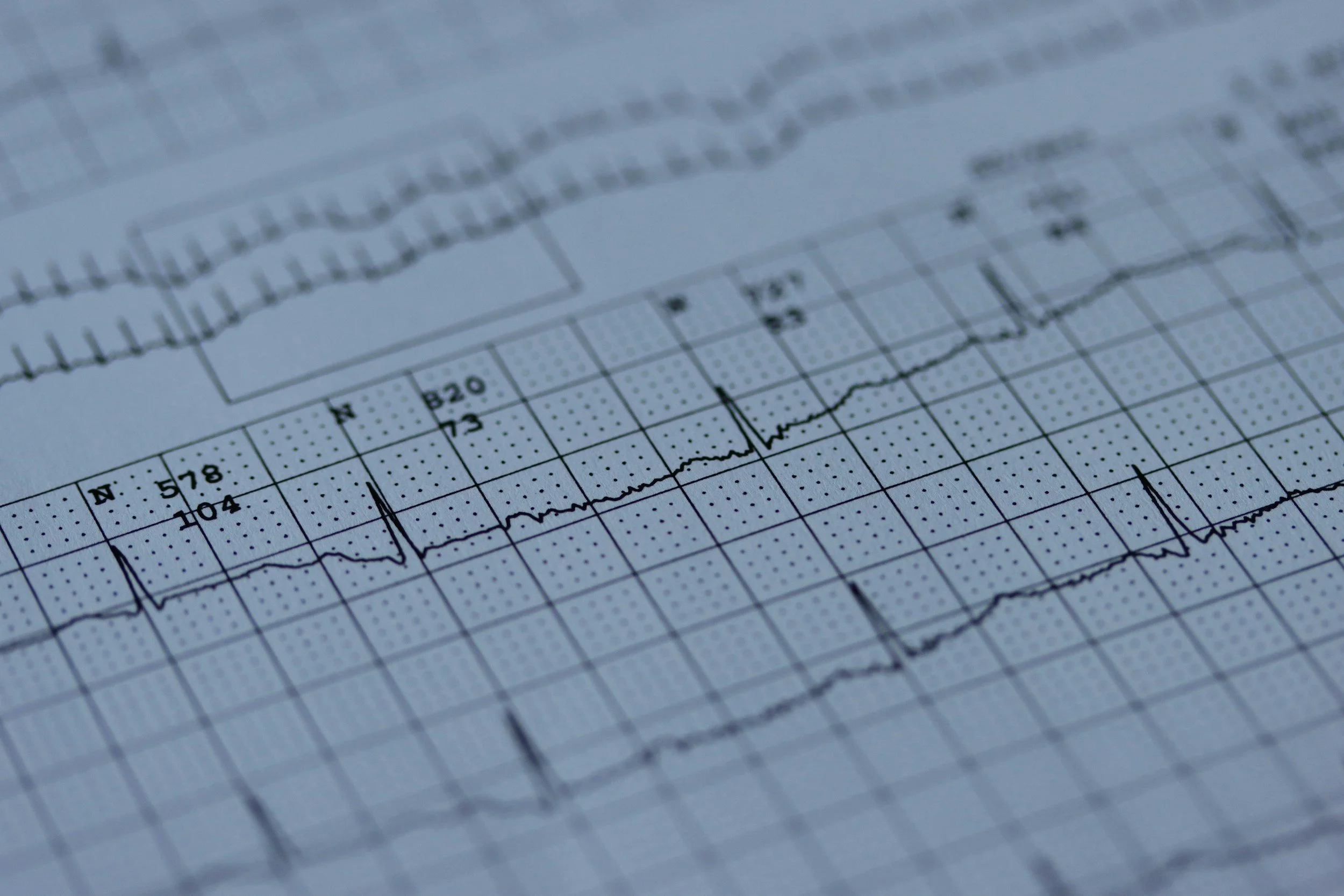
Heart Palpitations in London: When to Get an ECG and When It Is Urgent
A racing or irregular heartbeat is often harmless, but chest pain, fainting or severe breathlessness changes the plan. Learn when to seek urgent help, what an ECG can show, and how a GP assesses recurring palpitations in London.

Private Prescriptions in London 2026. How They Work, What They Cost and When They Are the Better Option
How private prescriptions work in London, pharmacy costs, prescription validity and what requires clinical assessment. Telephone consultations £59; video consultations from £150. A prescription is not guaranteed and pharmacy costs are separate.

Walk-In Doctor in London 2026. Where to Go, What Each Option Can Do and How to Be Seen Today
Where to go for a walk-in doctor in London, what urgent treatment centres, pharmacies and A&E can each do, and how a booked appointment works. Telephone consultations £59; video consultations from £150. Enquire for in-person fees.

Private GP Membership in London 2026. What a Medical Membership Should Include and How to Judge One
What a private GP membership in London should include, how The Wellness Membership compares with Sollis Health and London membership practices, and fees from £4,995 a year with unlimited same-day GP consultations.

Red Eye in London: When Is It Urgent, and Do You Need Antibiotics?
Red eye in London? Pain, vision changes and contact lenses can make it urgent. Learn when to seek eye care, what helps conjunctivitis and when antibiotics are useful.

Sinusitis in London: When Will It Clear, and Do I Need Antibiotics?
Sinus pain after a cold? Most acute sinusitis clears without antibiotics. Learn the NICE timing, warning signs and when a GP examination matters.

Sore Throat in London: When Do You Need Antibiotics?
Most sore throats settle without antibiotics. Learn the NICE FeverPAIN approach, urgent warning signs and when an in-person GP assessment helps.
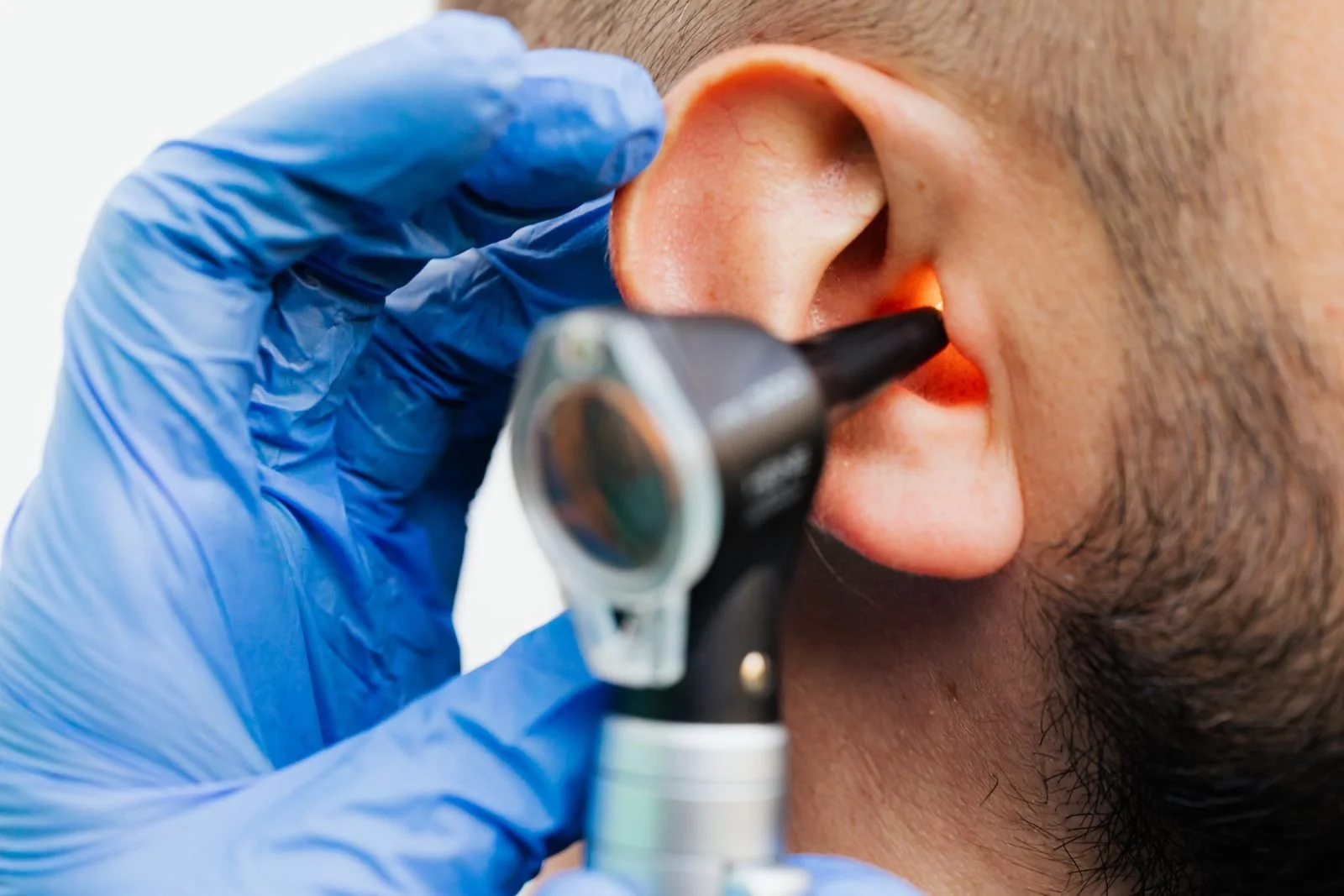
Adult Earache in London: Infection, Wax or Something Else?
Earache in adults in London. Whether it is an ear infection, wax or pain referred from the jaw or throat, when antibiotics help, the warning signs that need a doctor today, and when an ear examination may be needed.

Mental Capacity Assessments and COP3 Reports 2026. What the Law Tests, When a Doctor Is Needed and How Assessments Are Done
How mental capacity is tested under the Mental Capacity Act 2005, what a COP3 form is and who can complete it, and how a sound assessment is carried out. COP3 capacity assessments with home visits from £950 plus VAT.

Occupational Health and Pre-Employment Medicals in London 2026. What Employers Can Ask, What the Law Requires and How Referrals Work
What employers can ask before a job offer under section 60 of the Equality Act, how management referrals and return-to-work assessments should work, and statutory health surveillance. Enquire for pre-employment medical fees and availability.

Weekend and Evening Doctor in London 2026. Where to Be Seen on a Saturday, Sunday or Bank Holiday
Where to be seen in London on a Saturday, Sunday, evening or bank holiday. When to use a pharmacy, NHS 111 or A&E. Telephone consultations £59; video from £150; home visits £450; hotel visits £495 daytime / £595 evening. Enquire for in-person fees, weekend charges and availability.