










Blood in Your Poo: What It Usually Means and When to Be Seen
Most rectal bleeding is piles or a small tear, but some patterns need urgent care and none should be self-diagnosed. The NHS thresholds explained, what a doctor will do, and how to be seen the same day.

The Longevity Programme at The Wellness: What £6,995 to £34,995 Includes
Three physician-led longevity programmes, from the £6,995 Foundation baseline to the £34,995 Echelon year of oversight. Exactly what each tier includes, what the evidence supports, where caution belongs, and how the free first consultation works.

Lost Your Prescription or Medication? How to Get a Replacement Quickly in the UK
Lost your prescription, run out abroad or left your medication at home? A pharmacist can supply many medicines in an emergency, NHS 111 online can arrange a limited supply, and a same-day private GP can reissue where appropriate. Here is exactly what each route covers.

Diarrhoea After Antibiotics: When to Contact a Doctor and What Not to Take
If you develop diarrhoea while taking antibiotics, or after a recent course, ask for an urgent GP assessment or contact NHS 111. It may not be a serious infection, but C. difficile is one possibility that needs the right assessment and sometimes a stool test. Do not assume the answer is to finish the course, take an anti-diarrhoea tablet and wait.

Blepharitis: Itchy, Crusty Eyelids and What Actually Helps
Blepharitis causes inflamed, often itchy or crusty eyelids. Regular eyelid cleaning is the first practical step for many people. Pain inside the eye, a very red eye or a change in vision is a different situation and needs urgent assessment, not simply more lid wipes or an online prescription.

Mouth Ulcers That Keep Coming Back: Causes, Relief and When to Get Checked
Most ordinary mouth ulcers heal within one or two weeks. Arrange a dentist or GP assessment if an ulcer lasts longer than three weeks, looks different from your usual ulcers, bleeds or becomes increasingly red and painful. Recurrent ulcers can follow local irritation, stress or other triggers, but persistent symptoms deserve an explanation rather than another tube of gel.

How to Delay Your Period for a Holiday, Wedding, Exam or Umrah. The Safe Options Explained by a Doctor
There are 2 reliable ways to delay a period, and the right one depends on whether you already take the combined contraceptive pill. If you take the combined pill, you can usually delay a period by starting your next pack straight away without the usual break, and the NHS advises asking a doctor or pharmacist how to do this for your type of pill, because the method differs between pills. If you do not take the combined pill, a doctor can prescribe norethisterone, a progestogen tablet, usually taken 3 times a day starting 3 days before your period is due, with the period normally following a few days after you stop. Norethisterone is not a contraceptive, and it is not suitable for everyone, including anyone who has had a blood clot, unexplained vaginal bleeding, liver problems, a heart attack or angina, or who might be pregnant. Long-haul flights add to blood clot risk, which is why a proper assessment before a trip matters. The progestogen-only pill, the implant, the injection and the coil do not reliably delay a period. Plan at least a week ahead, and earlier if you would need to start the combined pill. At The Wellness a doctor can assess you by video the same day from £150, and send any prescription to a pharmacy near you. Fees appear further down this page.
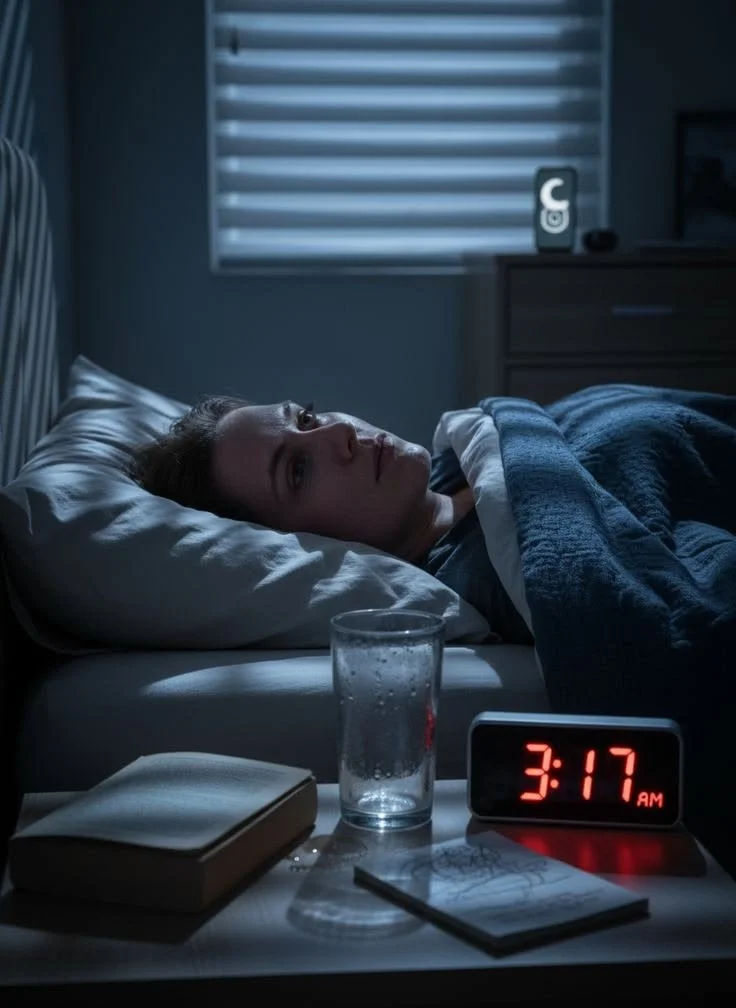
Can’t Sleep? What Works for Insomnia According to the Evidence, and How a Doctor Can Help by Video
Insomnia means regularly finding it hard to fall asleep, stay asleep or wake refreshed, and it becomes long-term insomnia when it lasts 3 months or more. The treatment with the strongest evidence is not a sleeping tablet. Cognitive behavioural therapy for insomnia, known as CBT-I, is recommended as the first-line treatment for chronic insomnia in the 2023 European Insomnia Guideline, at the highest grade of evidence, and by the American College of Physicians, and it can be delivered in person or digitally. The NHS says sleeping pills are rarely prescribed because of serious side effects and the risk of dependence, and are used only for a few days or weeks at most. NICE recommends a newer medicine, daridorexant, only for adults whose insomnia occurs at least 3 nights a week for 3 months or more and seriously affects daytime life, when CBT-I has not worked or is unavailable, with a review within 3 months. Before treating insomnia, a doctor looks for causes such as sleep apnoea, low mood, anxiety, pain, menopause, thyroid problems, alcohol and medicines. Most of this assessment can be done by video. At The Wellness a doctor can see you by video the same day from £150, a 60-minute Sleep Consultation is from £450 and an 8-week CBT-I programme with a sleep specialist from £1,495. Fees appear further down this page.

BV or Thrush? How to Tell the Difference, What Treatment Works and When to See an Online Doctor
Bacterial vaginosis, or BV, and thrush are the 2 most common causes of unusual vaginal discharge, and they need different treatments, which is why guessing so often fails. BV usually causes a thin, watery, grey or white discharge with a strong fishy smell, often noticed after sex, and it does not usually itch. Thrush usually causes a thick white discharge, often described as like cottage cheese, with itching, soreness and stinging, and little or no smell. BV is treated with antibiotics prescribed by a doctor, while thrush is treated with antifungal medicine, which you can buy at a pharmacy if you have had thrush diagnosed before. Both often come back. In a 2006 study from Melbourne, more than half of women treated for BV had it again within a year, and a trial published in the New England Journal of Medicine in 2025 found that treating a male partner at the same time cut recurrence within 12 weeks from 63% to 35%. The NHS advises seeing a doctor if it is your first time, if you are pregnant, if thrush returns more than 4 times in 12 months, or if treatment has not worked. Most cases can be assessed by video from your symptoms and history. At The Wellness you can see a doctor by video the same day from £150, with any prescription sent to a pharmacy near you. Fees appear further down this page.

Understanding Your MRI or CT Report: What the Findings Mean and What to Ask Next
A practical MRI and CT report guide: impression, incidental findings, clinical correlation and the questions to ask before arranging another scan.